
Platelet-Rich Plasma (PRP) therapy is a scientifically backed regenerative treatment increasingly used across Dubai for hair restoration, joint pain, sports injuries, and skin rejuvenation. While PRP is minimally invasive, it follows a precise medical protocol to ensure safety, effectiveness, and optimal healing outcomes.
This article explains the PRP treatment Dubai process step by step, helping patients understand what happens before, during, and after the procedure.
Step 1: Doctor Consultation & Medical Assessment
PRP therapy always begins with a doctor-led consultation, which is a critical part of treatment success. During this stage, the physician evaluates:
- The medical condition requiring treatment
- Overall health, lifestyle, and medical history
- Any ongoing medications or prior procedures
- Whether PRP is suitable or if alternative treatments are required
In Dubai, reputable PRP clinics follow DHA-aligned clinical protocols, ensuring patient safety and ethical medical practice.
PRP may not be suitable for individuals with:
- Blood clotting disorders
- Active infections
- Certain chronic illnesses
- Severe platelet dysfunction
A personalized treatment plan is created only after medical clearance.
Step 2: Blood Sample Collection
Once approved, a small amount of the patient’s blood (usually between 10–30 ml) is drawn from the arm, similar to a standard blood test.
This step is:
- Quick and painless
- Conducted in a sterile clinical environment
- Essential for producing high-quality PRP
Because PRP uses the patient’s own blood, the risk of allergic reactions or rejection is extremely low.
Step 3: PRP Preparation Using Centrifugation
The blood sample is placed into a medical centrifuge, which spins at high speed to separate blood components.
The process isolates:
- Red blood cells
- Platelet-poor plasma
- Platelet-rich plasma (PRP)
PRP contains a concentrated level of growth factors, which stimulate tissue regeneration, collagen production, and cellular repair.
Experienced doctors carefully extract the PRP layer to ensure optimal platelet concentration, which is a key factor in treatment success.
Step 4: Preparing the Treatment Area
Before PRP is applied, the targeted area is carefully prepared to ensure comfort and precision.
Preparation may include:
- Cleaning and sterilization
- Application of a topical anesthetic
- Marking injection sites
- Ultrasound guidance (for joints and tendons)
This step ensures minimal discomfort and accurate PRP delivery.
Step 5: PRP Administration
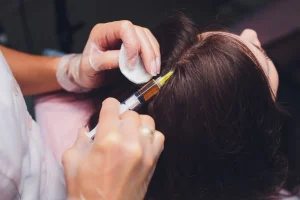 PRP can be administered using different techniques depending on the condition being treated:
- Scalp injections for hair restoration
- Intra-articular injections for joints and knee pain
- Microneedling-assisted PRP for skin rejuvenation
- Soft tissue injections for injuries
The procedure typically lasts 30–45 minutes and is performed by trained medical professionals.
Step 6: Post-Treatment Care & Medical Guidance
After the procedure, patients receive personalized post-treatment instructions, which may include:
- Avoiding strenuous activity for 24–48 hours
- Not using anti-inflammatory medications
- Keeping the treated area clean
- Staying well hydrated
Most patients resume normal daily activities on the same day.
For patients seeking advanced PRP treatment under medical supervision, clinics in Dubai ensure international standards of care.
UAE-Based FAQs: PRP Treatment Process
Is PRP treatment approved in Dubai?
Yes, PRP therapy is widely performed in Dubai clinics following DHA guidelines.
How long does a PRP session take in Dubai clinics?
Most sessions last between 45–60 minutes, including preparation.
Is PRP treatment done by doctors or technicians?
In reputable UAE clinics, PRP is administered under doctor supervision.
Is PRP safe for long-term use?
Since PRP uses your own blood, it is considered a safe regenerative treatment when medically supervised.


