
PRP (Platelet-Rich Plasma) therapy is widely preferred in Dubai due to its non-surgical nature, minimal downtime, and regenerative healing benefits. However, despite being a low-risk procedure, patients often have questions about recovery time, aftercare, and when results will be visible.
This comprehensive guide explains the PRP treatment recovery timeline, what patients in the UAE should expect after the procedure, and how to optimize healing under medical supervision.
Understanding PRP Recovery: How the Body Heals
PRP therapy works by using a patient’s own platelets and growth factors to stimulate natural healing. Unlike medications that suppress symptoms, PRP triggers a biological repair response.
Recovery does not mean “resting from pain” alone — it refers to:
- Activation of tissue regeneration
- Controlled inflammation (a healthy response)
- Gradual repair of damaged cells
This is why PRP results appear progressively, not instantly.
Immediate Recovery Phase (First 24 Hours After PRP)
What Patients Commonly Experience?
Within the first day after PRP treatment Dubai, patients may notice:
- Mild swelling at the treated area
- Redness or warmth
- Slight soreness or tenderness
- Tightness or pressure sensation
These symptoms are normal and expected, as PRP intentionally initiates an inflammatory response to promote healing.
What Patients Should Do?
Doctors in Dubai typically recommend:
- Resting the treated area
- Avoiding excessive movement or pressure
- Keeping the area clean and dry
- Drinking plenty of water
Avoid:
- Touching or massaging the area
- Applying heat
- Using anti-inflammatory medications unless prescribed
Most patients can return home immediately after the procedure.
Short-Term Recovery Phase (2–7 Days)
During the first week, inflammation gradually subsides, and internal healing begins.
Normal Recovery Signs
- Reduced swelling and redness
- Mild bruising (especially with injections)
- Slight sensitivity when touched
For hair PRP, the scalp may feel tight or mildly tender.
For joint PRP, stiffness may persist temporarily before improvement begins.
Activity Guidelines
- Normal daily activities are usually permitted
- Avoid intense exercise for 48–72 hours
- Desk work and light walking are allowed
Doctors may give condition-specific advice, especially for orthopedic PRP.
Medium-Term Recovery Phase (2–6 Weeks)
This is a critical phase where PRP begins to show functional and structural improvements.
What’s Happening Internally?
- Growth factors stimulate collagen production
- Blood circulation improves in treated tissues
- Damaged cells begin repairing
What Patients May Notice?
- Reduced pain or discomfort
- Improved joint flexibility
- Subtle improvements in skin texture
- Reduced hair shedding (for scalp PRP)
It’s important to understand that PRP is not an instant cosmetic fix. The healing response builds gradually.
Long-Term Recovery & Results Phase (6–12 Weeks and Beyond)
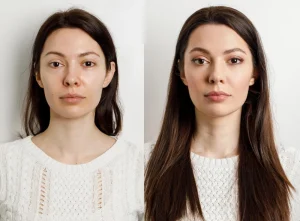
This phase reflects the true outcome of PRP therapy.
Expected Improvements by Condition
- Hair PRP: Reduced hair fall first, followed by improved thickness
- Joint PRP: Better mobility, reduced stiffness, and comfort
- Skin PRP: Improved tone, texture, and collagen density
Some patients may require multiple PRP sessions spaced weeks apart to maintain or enhance results.
Doctors assess progress and adjust treatment plans accordingly.
Does PRP Recovery Differ Based on Treatment Area?
Yes. Recovery time and aftercare vary depending on where PRP is administered.
Hair PRP Recovery
- Minimal downtime
- Scalp sensitivity for 24–48 hours
- Hair washing usually allowed after 24 hours
Joint & Orthopedic PRP Recovery
- Temporary activity modification
- Avoid heavy lifting or sports initially
- Physical therapy may be advised
Skin PRP Recovery
- Mild redness for 1–2 days
- Avoid makeup for 24 hours
- Sun protection is essential
Factors That Influence PRP Recovery Time
Several patient-specific factors can affect recovery:
- Age and overall health
- Smoking or alcohol consumption
- Severity of the condition
- Nutritional status
- Adherence to post-treatment instructions
Patients who follow doctor-recommended aftercare typically experience faster and more effective healing.
What to Avoid During PRP Recovery?
To maximize results, doctors commonly advise avoiding:
- Anti-inflammatory painkillers (unless prescribed)
- Alcohol for at least 24–48 hours
- Intense workouts or sports initially
- Excessive sun exposure
- Smoking, which slows tissue healing
These precautions help PRP work without interference.
Is PRP Recovery Painful?
Most patients describe PRP recovery as mildly uncomfortable rather than painful. Any soreness usually resolves within a few days.
If pain persists or worsens, patients should consult their treating doctor to rule out complications.
Why Doctor Supervision Is Important for PRP Recovery?
PRP recovery is safest and most effective when the procedure is performed under medical supervision.
Professional PRP clinics in Dubai ensure:
- Sterile blood handling
- Proper platelet concentration
- Accurate injection techniques
- Structured follow-up care
UAE-Based FAQs: PRP Recovery Time
How long is PRP recovery time in Dubai clinics?
Most patients resume daily activities within 24 hours, depending on the treatment area.
Can I travel after PRP treatment?
Yes, PRP does not restrict travel, though doctors may advise rest for joint treatments.
Is PRP recovery different in hot UAE weather?
Patients should avoid heat exposure and stay hydrated, especially during summer.
Can I fast or diet after PRP treatment?
Balanced nutrition supports healing. Extended fasting should be discussed with a doctor.
Is PRP recovery covered by insurance in the UAE?
Coverage depends on the provider and whether PRP is classified as medical or aesthetic.
When Should You Contact a Doctor After PRP?
Seek medical advice if you experience:
- Persistent pain
- Signs of infection
- Excessive swelling
- Fever
Although rare, prompt evaluation ensures safety.
Final Thoughts
PRP treatment Dubai recovery is generally smooth, predictable, and manageable when performed under professional medical care. Understanding the recovery timeline helps patients set realistic expectations and achieve optimal results.
For those considering advanced PRP therapy under expert supervision, proper consultation and aftercare play a crucial role in success.


